Refreshing your wardrobe doesn’t mean replacing everything every season. Today’s fashion trends reward sustainable choices, well-cut pieces and materials that last. Before you buy, ask yourself: how much will it cost to care for this garment, how often will I wear it, and how long will it stay presentable?
The true cost of a garment: care, alterations and lifespan
The price on the label is only part of the expense. A €60 linen pair of trousers worn for two seasons and then left in the closet costs more per wear than a €90 pair of jeans worn for three years. The true cost is calculated by how many times you wear the garment.
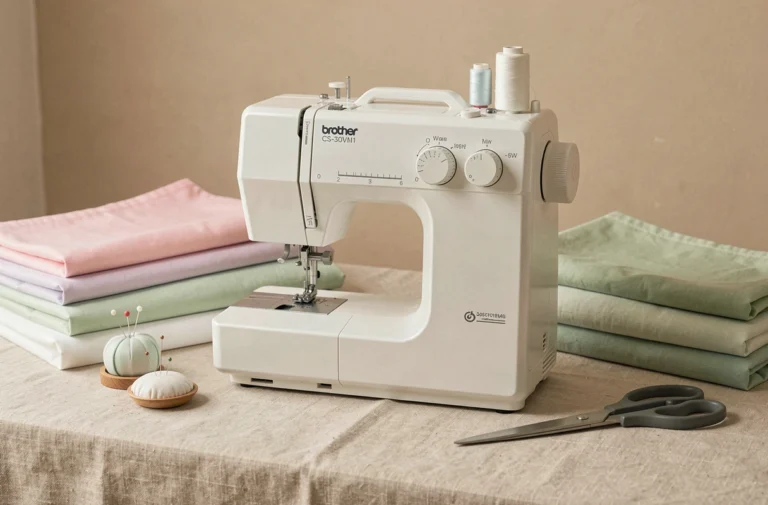
Have you ever noticed how a shirt with a fraying collar ends up abandoned, even when the rest of the fabric is still intact? In France, the repair bonus supported by the AGEC law offers a discount on textile and shoe repairs carried out by certified professionals. Getting a hem resewn or a zip replaced often costs less than buying a replacement.
Visible mending, described by FashionUnited in October 2026, takes this idea a step further. Visible repairs (contrasting threads, colourful patches) are becoming a deliberate style choice. Several retailers have also launched or expanded their repair programmes in 2026. Repairing a garment can become a style statement, not just a way to save money.
Among Fashion Click’s fashion trends, this approach, which combines sustainability with creative renewal, is gaining ground.
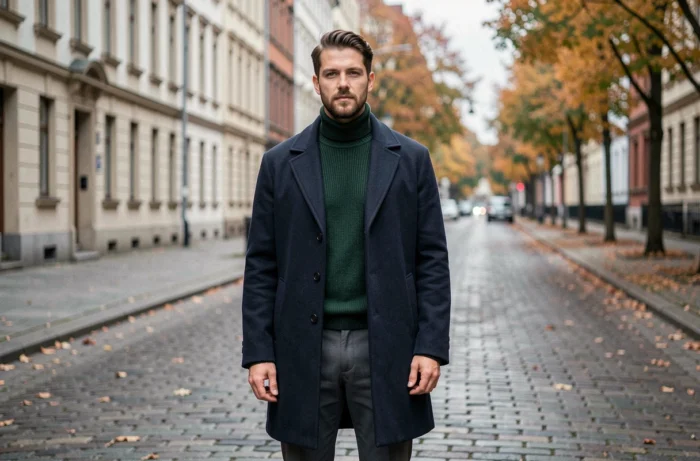
A sustainable wardrobe: choosing pieces that last through the seasons
Rather than listing dozens of fashionable clothes, let’s focus on three practical criteria to help you narrow down your purchases.
Fabric and weight
Fabric that’s too thin pills quickly, loses its shape in the wash and won’t hold its structure. Natural materials (heavyweight cotton, linen, merino wool) stand up to washing better than lightweight synthetic blends. Before buying, pinch the fabric between two fingers: if it’s see-through or stretches without springing back, it won’t last long.
Fit and alterations
A well-fitting piece gets worn more often than a trendy but poorly cut one. Trousers that are too long and drag on the ground can get damaged in just a few weeks. A blazer with shoulders that sit too low looks sloppy, even if it was expensive.
Setting aside a few euros per item for alterations can make all the difference. Getting jeans shortened or a dress taken in can turn a decent garment into a perfect fit.
True versatility
Before buying, ask yourself: how many outfits in my wardrobe will this piece work with? If the answer is fewer than three, it may end up staying on its hanger.
- Straight-leg raw denim jeans work with trainers, ankle boots or loafers in any season.
- A heavyweight cotton shirt can take you from the office to the weekend, worn open over a T-shirt or buttoned under a sweater.
- A straight-cut ribbed knit dress works on its own in summer and under a coat in winter, styled with different accessories each time.
Second-hand and thrift stores: refresh your wardrobe without overproduction
Second-hand shopping is no longer limited to online platforms. Thrift stores, reuse centres and consignment shops offer very different shopping experiences. In-store, the seller has already sorted through the items, which are often washed and ironed, and you can try them on to check the fit.
Online platforms offer more choice, but there’s a greater risk of disappointment with the size or the garment’s actual condition. Return costs can eat into the savings.
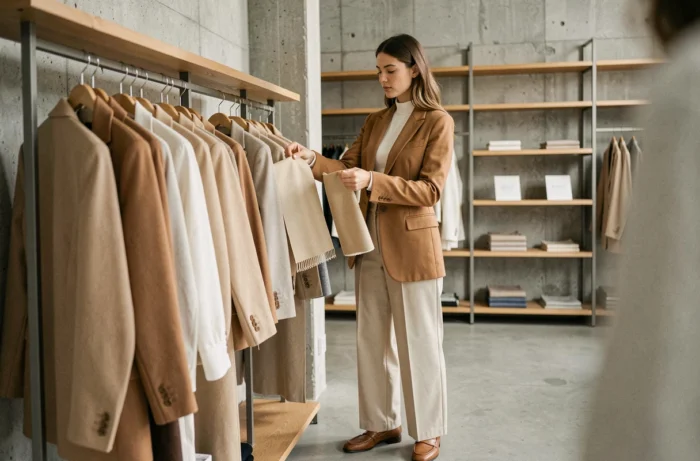
Second-hand shopping also gives you access to fabrics and finishes that are no longer available new at a comparable price. A virgin wool coat or a tweed blazer from a previous decade often has a heavier fabric and better construction than what today’s retailers offer at the same price.
Fashion trends to embrace without overhauling your wardrobe
Adopting a trend doesn’t mean replacing half your clothes. The idea is to add one or two carefully chosen pieces that update your silhouette.
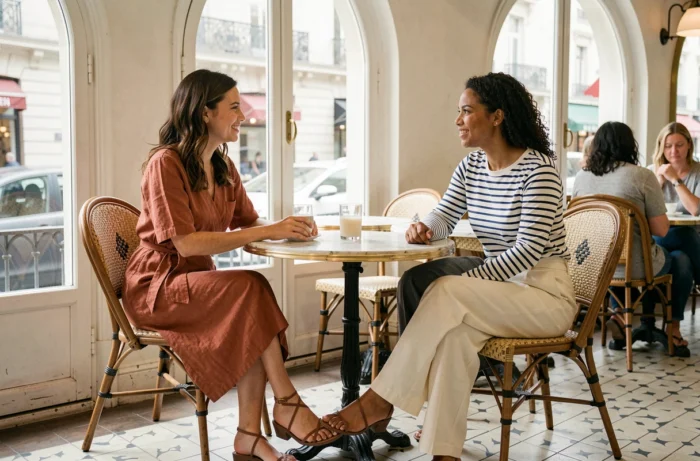
This season, structured, relaxed cuts are leading the way. Wide-leg pleated trousers, an oversized blazer worn with a belt, a long shirt dress: these pieces work because they combine comfort with structure. They don’t require technical underwear or must-have accessories to pull the look together.
When it comes to colour, muted shades (terracotta, sage green, slate blue) pair easily with a neutral wardrobe. Adding a sweater or scarf in one of these shades is enough to refresh a look without a major expense.
- A silk or cotton scarf in a seasonal shade adds a noticeable touch without costing much, especially second-hand.
- A well-made leather belt adds shape to the silhouette of a coat or loose-fitting dress.
- Visible, colourful socks worn with loafers or open-toe sandals make a subtle but effective style statement.
The goal is to update your style without becoming dependent on seasonal collections. A wardrobe made up of 80% durable pieces and 20% seasonal accents can stay current for years.
Sustainable fashion and current trends are not at odds. Choosing fewer, better-cut pieces made from durable materials, then caring for or repairing them when they wear out, is the most cost-effective strategy—and probably the most elegant, too. Personal style is built by making good choices over time, not by replacing everything.