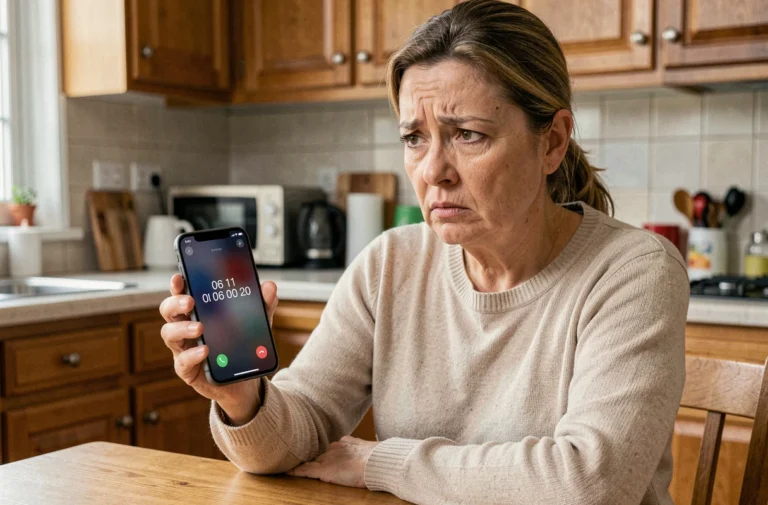
The legal protection of elderly individuals is no longer limited to traditional guardianship or curatorship measures. The French regulatory framework has evolved in recent years, incorporating new issues such as the management of personal data after death or commercial solicitation targeting seniors. For families, keeping up with these developments requires distinguishing the measures that are truly suitable for each situation.
Digital succession of seniors: a legal aspect still little known
The issue of “digital death” is a perspective that classic guides on seniors’ rights rarely address. Any individual can define, while alive, directives regarding their personal data after their death. These directives are divided into two categories: general directives, entrusted for example to a notary, and specific directives, addressed directly to an online service.
In the absence of directives, heirs have limited but real rights. They can request the closure of the deceased’s online accounts, access certain data useful for settling the estate, or demand the limitation of processing that undermines the memory of the deceased. These possibilities are regulated by the CNIL, which updated its recommendations on this subject in September 2026.
One point deserves particular attention: the deceased’s health data may be accessible to heirs when necessary for organizing the estate. This access is not to be confused with the simple transmission of the medical file. The specific purpose of the request determines what can be communicated, creating a case-by-case evaluation zone.
For families looking to anticipate these issues, consulting legal information on Seniors Magazine allows for a better understanding of the steps to take before a situation of loss of autonomy complicates matters.

Commercial solicitation and personal data: what the regulations impose
Commercial solicitation based on personal data is subject to enhanced control by the CNIL, and seniors are among the most exposed groups. Data brokerage companies collect and resell behavioral profiles, sometimes without the individual’s awareness.
The CNIL has imposed sanctions on players in this sector. The GDPR framework requires that any data processing for commercial prospecting purposes is based on informed consent or demonstrable legitimate interest. For an elderly person living at home, these solicitations can range from simple advertising mail to repeated phone calls targeting health or long-term care insurance products.
Families can take action at several levels:
- Exercise the right to object to the processing of personal data with each identified organization, using the forms available on the CNIL website
- Register the elderly person’s phone number on the Bloctel list to limit telemarketing
- Regularly check the permissions granted by the individual on their online accounts, particularly on mutual insurance or home care service websites
Reporting a data breach to the CNIL is possible at any time, whether the individual is able to do so themselves or a relative acts on their behalf within the framework of a legal protection measure.
Legal protection measures: choosing the least restrictive option
The Civil Code requires the judge to prioritize the least restrictive measure possible for the person to be protected. This principle of subsidiarity guides the choice between judicial protection, curatorship, guardianship, or family authorization.
Family authorization, which is more flexible than guardianship, allows a relative designated by the judge to represent the elderly person for specific acts or generally, without going through a professional representative. This measure is suitable for families where there is no conflict over the management of assets or care decisions.
The future protection mandate is distinguished by its anticipatory nature. It only comes into effect when the deterioration of faculties is medically confirmed, making it a preventive tool to be drafted while the individual still has all their capacities. A notary can establish it in authentic form, which expands the powers of the representative to acts of disposition (sale of real estate, for example).

Concrete limits of these measures
Field feedback varies on the actual effectiveness of certain measures. A reinforced curatorship, for example, offers strict financial oversight, but it can significantly slow down routine decisions if the curator is not easily reachable. For families geographically distant, the coordination between the representative and home care services poses a practical difficulty that the legal framework alone does not resolve.
The issue of medical acts remains a sensitive point. The consent of the protected individual must be sought as a priority, even under guardianship. The guardian cannot unilaterally decide on placement in a nursing home without the judge’s opinion if the individual opposes it, which can create blocking situations when home care is no longer viable.
Rights of residents in nursing homes: points of vigilance for families
Residents in facilities retain all their fundamental rights, including the right to privacy, freedom of movement within the facility, and respect for their dignity. The residency contract, signed upon entry, details the services and their rates.
- Any modification of the accommodation conditions or rates must be subject to an amendment signed by the resident or their legal representative
- The social life council, present in every nursing home, allows residents and their families to participate in collective decisions regarding daily life
- In case of dispute, the qualified person designated by the prefect can intervene as a mediator between the resident and the facility
Families have the right to consult the external evaluation report of the facility, a document that provides information on the quality of care and internal organization. These reports are gradually being made accessible via the portal for-les-personnes-agees.gouv.fr, which now publishes quality indicators by facility.
The legal protection of seniors covers a much broader spectrum than just guardianship measures. The management of digital identity, the fight against abusive solicitation, and the control of quality in nursing homes form a set of rights whose mastery relies as much on the vigilance of families as on the existing legal framework.